
When Mauricio Pochettino put together his U.S. roster for the World Cup, one organization stood out above all others in shaping the players who would represent the tournament’s co-hosts — FC Dallas.
The Frisco-based club developed four players who earned spots on the national team: Weston McKennie, Chris Richards, Ricardo Pepi, and Alejandro Zendejas. That quartet cemented FC Dallas’s standing as the top talent-producing club in Major League Soccer.
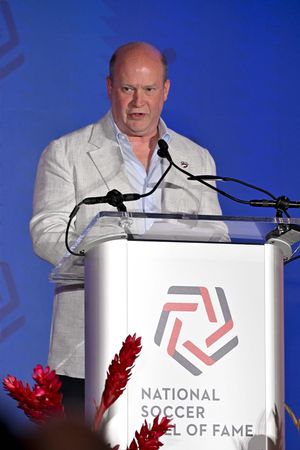
“We’re a big believer in domestic talent,” FC Dallas president Dan Hunt told Reuters. “And we want to try to help not only FC Dallas win, but the national teams win. Because without a strong national team, I really think it hurts the domestic league too. So we stay true to who we are.”
All four players saw action during the U.S. team’s run to the round of 16. But FC Dallas’s connection to this World Cup goes beyond player development — the Dallas venue hosted more World Cup matches than any of the tournament’s other 16 sites.
Dallas Stadium will wrap up its World Cup run on Tuesday when France takes on Spain in the first semifinal, capping more than four weeks of matches and festivities.
“We’re so thankful that we had nine games and we’ve had unbelievable matches here,” said Hunt, who also served as co-chair of the North Texas World Cup organizing committee. “I mean, that England-Croatia game. Japan twice was amazing here. Argentina twice. Even having Cristiano Ronaldo’s last World Cup game. I mean, these are just amazing things.”
The Hunt family’s ties to soccer in the region run deep. Dan’s father, Lamar, founded the Dallas Tornado back in 1967. A year later, the club became one of the founding members of the North American Soccer League, competing until that league shut down in 1981.
Hunt believes those deep roots — combined with the club’s continued investment in youth development — are a major reason the Dallas area keeps producing elite players.
“Sports are a big deal in Texas,” he said. “Families are willing to invest, spend the time and effort to do it. We have the climate for it too, even though it gets hot. The reason why this is such a great youth soccer market goes all the way back to the Dallas Tornado, because a bunch of those players stayed after their days were done, started youth clubs. There are both boys and girls who coached at the local high schools or did camps and clinics. And so you have this huge ecosystem of teams where the games are so competitive all the time and they’re always fighting and they push each other to be so much better.”
Hunt is confident that hosting the World Cup has given that development system an additional boost. FC Dallas saw youth enrollment grow by roughly 10% in 2025, and the club expects at least another 7% increase this year as World Cup excitement continues to draw new players to the sport.
The tournament also triggered the start of a redevelopment project at the club’s Toyota Stadium, which Sweden used as a training base during the competition.
“You hope that this inspires the American Messi,” Hunt said. “You hope this inspires a kid that might not have picked soccer, who’s this special athlete and has a special brain for the game to come play and hopefully play here at FC Dallas or at MLS teams, and we develop players like this. We keep developing more and more top talent here. I’m so excited about our next generation of young players. Really, the only thing that limits us is fields. We have, one way or another, between 40 and 55 fields under management. I could build another 100 and I could fill every single ground.”