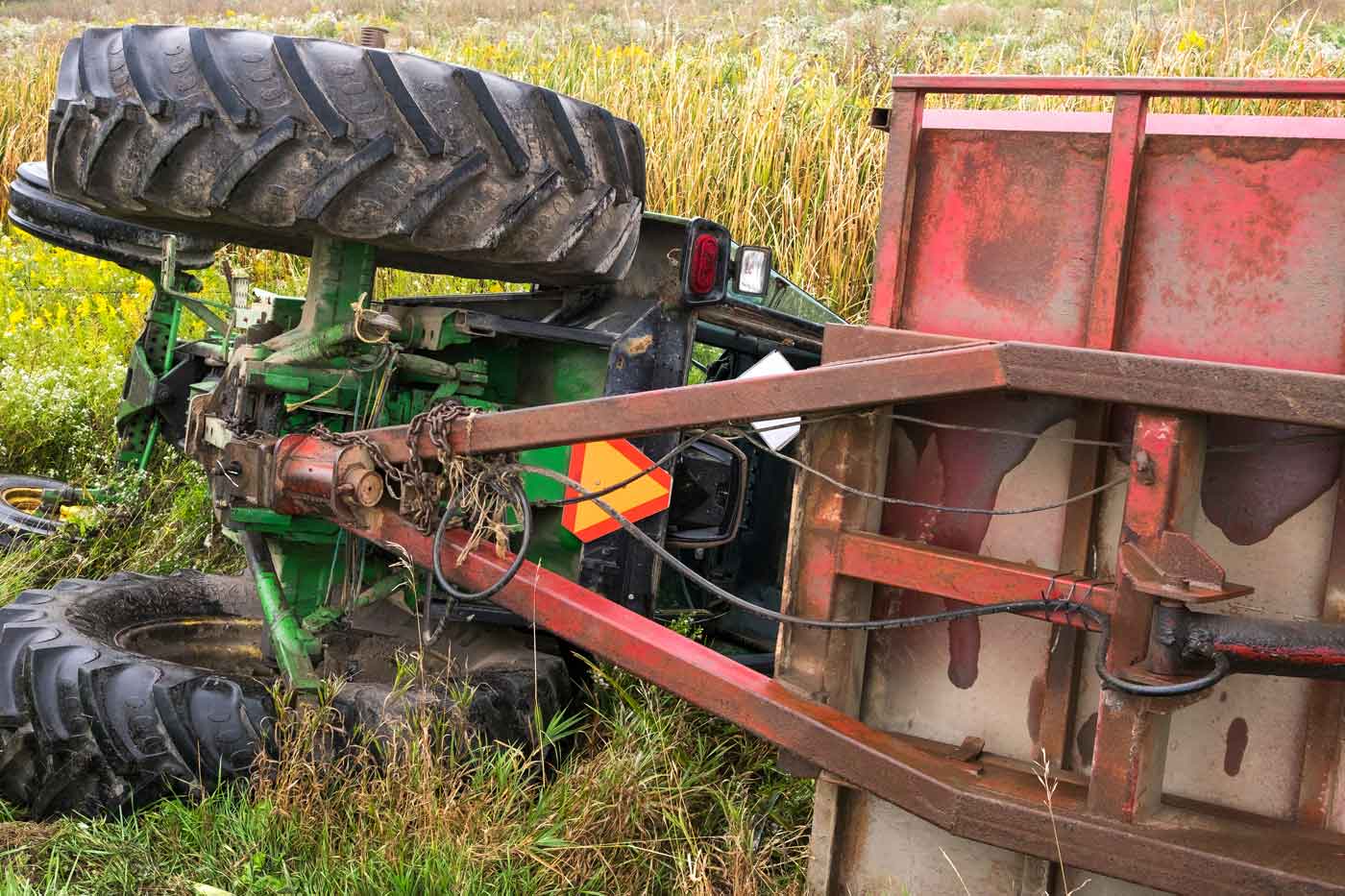

WASHINGTON—The American Farm Bureau Federation is promoting farmer health and wellness during this year’s Ag Safety Awareness Program Week, running March 2-6, as agricultural workers prepare for the demanding spring season.
The annual awareness campaign highlights health and safety risks in farming while reminding agricultural workers to prioritize safe practices. This year’s ‘Live Well, Farm Well’ message stresses how personal wellness, health, and safety work together to prevent workplace injuries and fatalities.
During the week-long initiative, the American Farm Bureau Federation, AgriSafe Network, and U.S. Agricultural Safety and Health Centers are featuring different daily themes:
- Monday: Beat the Heat
- Tuesday: Rest and Refuel
- Wednesday: Know Your Numbers
- Thursday: Safe Lifting
- Friday: Move with Purpose
Matt Nuckols, who chairs the Virginia Farm Bureau Federation Farm Safety Advisory Committee, explained the connection between wellness and safety. “Living well and farming well go hand in hand,” Nuckols said. “ASAP Week encourages farmers to slow down just enough to take care of their bodies, because staying healthy, focused and intentional on the job helps keep everyone safe.”
Agricultural work places significant physical and mental demands on workers, with producers often working extended hours to complete necessary tasks. However, long workdays, physical stress, and mental strain can lead to exhaustion, resulting in dangerous errors when operating heavy equipment or working around livestock. Safety professionals recommend that farmers prioritize rest, consume nutritious meals, and maintain proper hydration to sustain energy and concentration.
Nuckols emphasized that taking care of oneself isn’t a sign of weakness. “Listening to your body and taking breaks isn’t giving in or slacking off,” he noted. “It’s a vital part of staying safe and productive. A well-rested farmer is a safer farmer.”
In addition to machinery and livestock dangers, agricultural workers face extended exposure to high temperatures during busy seasons, raising the risk of heat-related health problems. Preventive measures include scheduling work during cooler periods, taking frequent breaks, maintaining hydration, finding shade, and monitoring fellow workers for signs of heat illness.
Although ASAP Week focuses attention on safety and wellness topics, program coordinators emphasize that these discussions should happen throughout the year. Ongoing communication, consistent planning, and resource sharing help build healthier and safer farming communities.
The American Farm Bureau Federation also offers the Think F.A.S.T. farm and agriculture safety training program, which targets youth between 14 and 17 years old. This proactive safety initiative provides free materials to both members and non-members, covering general safety principles, leadership development, and critical thinking skills for agricultural settings.
Additional farm safety information is available at vafb.com/Safety, while ASAP Week details can be found on the program’s Facebook page and YouTube channel.