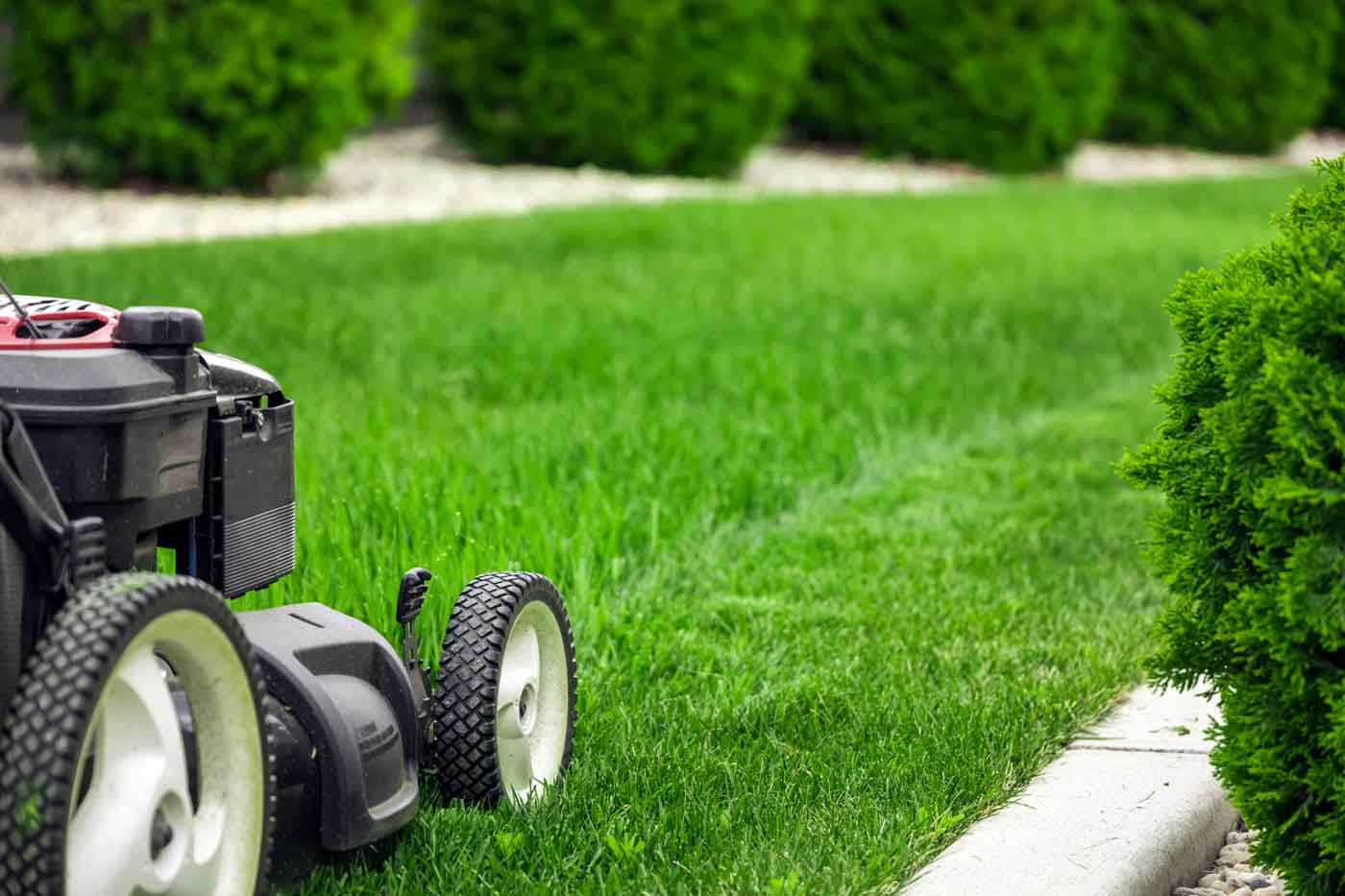

Many homeowners view lawn maintenance as a seasonal chore, but implementing smart strategies can transform yard work from burden to benefit.
Proper mowing techniques can significantly improve both the health and visual appeal of residential lawns, creating enhanced curb appeal while actually reducing long-term maintenance requirements.
Property owners can develop healthier grass with fewer weeds by focusing on soil nutrition. The Old Farmer’s Almanac suggests applying a quarter-inch layer of compost rich in organic matter monthly throughout the growing season. This practice improves soil porosity, enhances drainage, and helps prevent root rot.
Lawn care specialists from The Old Farmer’s Almanac and Virginia Cooperative Extension have compiled essential strategies for creating a thriving yard:
Pre-mowing preparation: When using string trimmers, complete edging work before mowing so grass clippings get chopped by the mower blade. Avoid trimming close to tree bark and maintain vegetation-free zones around tree bases.
Proper cutting height: Different grass varieties require specific cutting heights, typically between 2-3 inches for both warm and cool-season varieties, though individual species may vary. Cool-season grasses benefit from higher cutting during late spring and early summer to better handle environmental stress. Warm-season varieties become denser when cut shorter during summer months. Shaded areas should be maintained at the higher end of recommended ranges to maximize leaf surface area.
Height adjustment technique: Position the mower on a solid surface, use a measuring tape to check current blade height, then modify deck settings to achieve desired levels.
The one-third principle: Never cut more than one-third of grass blade length in a single session, as this depletes root energy reserves. For overgrown areas, gradually reduce height over several sessions spaced 2-3 days apart.
Directional variation: Change mowing patterns each session to promote upright growth and prevent soil compaction. Rotate patterns by 45 or 90 degrees from previous sessions.
Dry conditions only: Avoid mowing wet grass. Morning mowing should wait until dew evaporates completely.
Sharp blade maintenance: Keep cutting edges sharp to prevent grass tearing, improve fuel efficiency, and extend equipment life. Sharpen blades three times per season: spring startup, late spring, and mid-to-late summer.
Natural fertilization: Mow without collection bags, allowing clippings to decompose and return nutrients to the soil naturally.
Clump removal: While leaving clippings benefits the lawn, remove any thick clumps that could smother underlying grass.
Edge maintenance: Use spading tools to create clean borders between lawn and garden beds, and refresh mulch around trees to prevent mower damage that can cause disease and tree death.
Additional lawn care guidance and safety information can be found through The Old Farmer’s Almanac and Virginia Cooperative Extension resources.